Complete Guide to finding quality care that fits your needs
Comprehensive Dementia Care Techniques in Charlotte
In Charlotte, holistic dementia care approaches prioritize the person in their entirety, acknowledging the interconnection of cognitive, emotional, social, and physical needs. This approach promotes creative treatment options and robust community support networks. Families serve as essential partners in this framework, enhancing treatment through education and collaboration. As these practices evolve, they raise important questions about their effectiveness and the future of dementia care. What new strategies might better improve the lives of those impacted?
Why All-encompassing Healthcare Is Essential for Those with Dementia
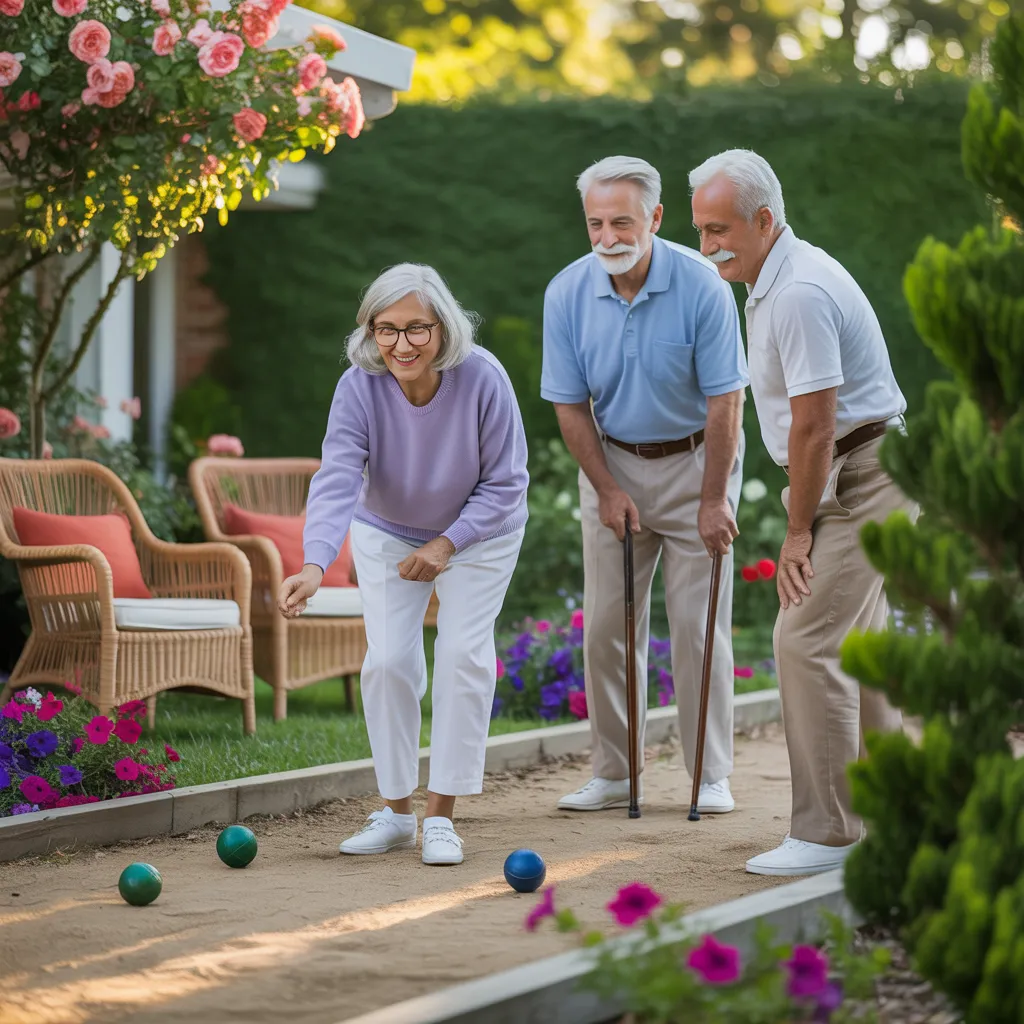
While conventional medical methods concentrate mainly on managing symptoms, holistic care recognizes the intricate needs of dementia patients. This approach stresses treating the person as a whole, addressing not only cognitive decline but also emotional, social, and physical well-being. By integrating methods such as art therapy, music therapy, and mindfulness, holistic care fosters a supportive environment that enhances quality of life.
Holistic care also encourages meaningful engagement with family and caregivers, promoting deeper bonds that can reduce feelings of isolation. It recognizes the importance of routine and familiar surroundings, which can reduce anxiety and confusion for dementia patients. Additionally, addressing dietary requirements and bodily wellness plays an essential role in general health. Through an all-encompassing framework, holistic care empowers patients, enabling them retain dignity and autonomy in their daily lives. Ultimately, this multifaceted approach enhances the quality of life of those living with dementia, rendering it a significant aspect of their care.
Building Connections: Support Networks for Dementia Care in Charlotte
Constructing a strong community around dementia care is imperative for promoting the lives of patients and their households. In Charlotte, multiple support networks have appeared to face the unique challenges associated with dementia. Local bodies, such as the Alzheimer's Association, extend information, guidance, and backing, promoting a community feeling for both care professionals and patients.
Community centers often provide support groups where families can share experiences, learn understanding, and find emotional relief. These assemblies not only ease feelings of loneliness but also create a platform for sharing effective care practices.
In addition, partnerships between medical professionals and local groups are essential in ensuring that individuals receive comprehensive assistance. By engaging local volunteers, Charlotte's dementia care community cultivates an environment of compassion and awareness. Such connections empower households with the tools necessary to navigate the challenges of dementia, highlighting the significance of community in holistic care approaches.
Samples of Novel Therapeutic approaches for Memory loss conditions Sufferers
Cutting-edge treatments for dementia individuals are revolutionizing the landscape of care, providing new avenues for engagement and improvement in quality of life. One significant approach is music therapy, which has shown remarkable efficacy in triggering memory recall and affective expression. This therapy leverages the power of familiar tunes to evoke memories and build connections, often leading to improved mood and reduced anxiety.
Artistic treatment is yet another efficacious method, enabling patients to express themselves creatively, which can develop cognitive function and emotional well-being. Additionally, reminiscence therapy urges patients to engage with their past through photographs and personal stories, supporting social interaction and cognitive stimulation.
Animal-assisted therapy introduces pets into care environments, providing comfort and companionship, which can decrease feelings of loneliness. Finally, virtual reality experiences full information provide immersive spaces that can enhance cognitive activity and deliver a sense of adventure, enriching the daily lives of dementia patients.
Connecting Families into Dementia Care
Furthermore, effective communication between healthcare providers and families can reduce feelings of loneliness and worry. Providing families with resources, including support groups and counseling, further improves their ability to cope with the challenges of dementia. This engagement not only benefits the patient but also promotes a sense of community among caregivers. In the end, including families in the care plan leads to a more holistic approach, ensuring that both emotional and physical needs are met, thereby enhancing overall quality of life for individuals managing with dementia.
Latest Focuses in Multifaceted Dementia Management in Charlotte
Charlotte is undergoing a shift towards holistic dementia care that emphasizes tailored therapy and mental health. This emerging movement highlights individualized treatment frameworks that take into account the unique requirements and preferences of each person. Providers are increasingly adopting alternative therapies including music and creative expression therapy, recognizing their capacity to enhance cognitive function and emotional stability.
Additionally, the incorporation of community resources fosters interpersonal connection, minimizing feelings of isolation among individuals with dementia. Family involvement is also being highlighted, with support groups and educational workshops designed to enable family care providers and improve the family unit's functioning.
Telehealth programs are expanding, allowing families to obtain specialized services and tools from the comfort of their homes. As Charlotte continues to incorporate these integrated approaches, the focus remains on developing nurturing environments that strengthen both bodily wellness and psychological resilience for those facing dementia.
Regularly Asked Queries
Which Expenses Relate to Comprehensive Dementia Support in Charlotte?
Fees pertaining to integrated dementia services can fluctuate widely, often falling between $1,500 to over $5,000 monthly, relying on services rendered, facility type, and tailored care plans designed for unique requirements and preferences.
How Can I Locate the Ideal Integrative Care Provider for Dementia?
To determine a full-service care expert for dementia, one should review credentials, seek recommendations, assess tailored care strategies, and confirm harmony with family values. Touring facilities and discussing approaches can also give beneficial insights.
What Specific Dietary Recommendations Exist for Dementia Patients?
For dementia patients, specific dietary guidance typically emphasizes a Mediterranean approach centered on fruits, vegetables, whole grains, healthy fats, and lean proteins, combined with sufficient hydration and restricted processed sugars to boost cognitive health and overall well-being.
What Role Does Movement Serve in Comprehensive Alzheimer's Support?
Exercise serves as an vital role in comprehensive dementia care by improving cognitive function, improving mood, and supporting physical health. Regular physical activity can help preserve independence and decrease behavioral symptoms, ultimately benefiting overall quality of life.
In What Ways Can I Support Natural Wellness Options in My Community?
To endorse holistic care options, participants can convene community meetings, share instructional materials, coordinate with community medical experts, and generate attention through web-based campaigns, cultivating a supportive environment for comprehensive neurodegenerative support programs.